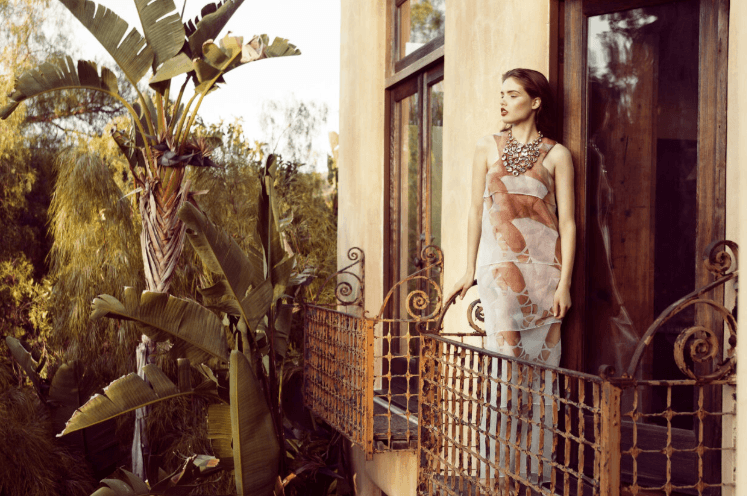
Clothes become quiet narration, each seam a punctuation mark on a person’s day. Textures catch light, silhouettes map intention, and colors hint at an interior weather. The wardrobe holds scenes—moments distilled into fabric and form. The styling favors restraint, allowing nuance to breathe. A single ensemble invites interpretation, as if it were a doorway to a story not yet spoken, inviting further scrutiny before the next reveal. The door stays ajar for what comes next.
How Clothing Becomes Narrative: Foundations and Examples
Clothing does not merely cover the body; it archives intention, mood, and memory in fibers and seams. Foundations frame narrative as choices—material, cut, and craft become dialogue with the wearer. Examples illuminate texture interplay and silhouette choreography, where fabric speaks before syllables.
The observer notes how restraint or flourish guides meaning, shaping identity while inviting other voices to enter the story.
Texture, Silhouette, and Symbolism That Tell a Story
Texture, silhouette, and symbolism work in concert to stage a quiet drama: fabrics catch light and shadow in turn, contours map a body’s intent, and meaning crystallizes where stitch lines meet intent. In this restrained theater, texture symbolism becomes language, and silhouette narrative reveals choice, tension, and release. The garments speak freely, inviting interpretation without shouting, inviting readers to listen with their own liberated eyes.
Wardrobe as Scene: Crafting Moments Through Styling
Sometimes, how a wardrobe is styled can reveal a scene before a word is spoken, turning fabric and line into a staged moment that carries meaning beyond its seams. The ensemble becomes texture symbolism, a tactile cue driving perception while silhouettes narrate intention. In this detached observational frame, wardrobe engineers a silhouette narrative, inviting freedom through deliberate, poetic, restrained expression.
From Concept to Closet: Designing and Wearing Story-Driven Looks
From the quiet choreography of a wardrobe, ideas migrate from concept to closet as sketches become silhouettes and fabrics translate intent into form. Designers practice concept mapping, translating narratives into textures and lines, while color psychology guides mood from runway to routine. Informed by restraint and freedom, looks become portable stories—crafted, worn, evolving with each step, each reflection, each quiet gesture.
Frequently Asked Questions
How Do Cultural Contexts Alter Storytelling Through Clothing Choices?
Cultural contexts deepen storytelling through clothing by embedding heritage aesthetics and fashion anthropology, shaping meaning, symbolism, and memory. They mediate perception, offering freedom to interpret attire as narrative, ritual, and resistance within shifting social codes and imagined futures.
Can Audience Interpretation Change the Story Conveyed by Outfits?
Audience interpretation can gently reshape wardrobe storytelling, nudging meaning without erasing intention. The interpretation pirouettes beside intention, allowing outfits to resonate differently; a lyrical equilibrium forms where garments invite, rather than dictate, personal storytelling paths.
What Role Do Color Psychology and Mood Play in Narratives?
Color psychology shapes mood portrayal, guiding how wardrobe storytelling guides audience perception; color choices color the narrative mood, subtly steering meaning while the garments become evocative punctuation marks in a freely interpreted rite of passage.
How Does Performance Space Influence Wardrobe Storytelling Decisions?
The performance space shapes wardrobe choreography, guiding fabric movement and silhouette to align with stage geometry, lighting, and audience perception, while color symbolism and texture inform expressive choices, inviting freedom in interpretation within designed constraints.
See also: Creator Economy Technology Explained
Are There Ethical Considerations in Storytelling With Fashion?
Ethical considerations arise in storytelling with fashion; juxtaposed values meet design decisions. Ethical sourcing shadows intention while inclusive representation expands reach, shaping narratives. The wardrobe speaks responsibly, inviting freedom yet demanding accountability, transparency, and respect across creators, communities, and evolving cultural contexts.
Conclusion
In the hush between fabric and form, storytelling unfolds with quiet power. Garments become embers that kindle memory, each stitch a measured breath in a larger tale. The wardrobe, a stage where texture and silhouette converse, reveals the wearer’s unspoken thesis—conscience threaded through color and cut. Like a pianist coaxing meaning from keys, the eye reads intention before word. Ultimately, clothing renders life legible, a subtle epic worn close, a narrative we inhabit without shouting.